- Networking
- Cybersecurity
How to become a network engineer in Uganda
A plain, step-by-step guide to starting a networking career in Uganda: what the job is, who hires, which certificate to aim for, and what pay looks like.

On this page
- What does a network engineer do?
- Who hires network people in Uganda?
- Step 1: Learn the basics properly
- Step 2: Get hands-on practice
- Step 3: Earn a recognised certificate
- Step 4: Build experience, even small
- Step 5: Keep growing
- What can you expect to earn?
- How Akili Za Kesho can help
- Common questions
- Do I need a degree to become a network engineer?
- Can I start if I have never studied IT?
- How long does it take?
- Will a certificate guarantee me a job?
- Sources
Every office, bank, school, hospital and phone company in Uganda runs on a network. Someone has to build that network, keep it running and fix it when it breaks. That person is a network engineer. This guide explains, in plain steps, how you can become one here at home.
What does a network engineer do?#
A network engineer connects computers, phones and servers so they can talk to each other and reach the internet. The work is practical. On a normal week you may:
- Set up and configure routers, switches and Wi-Fi access points.
- Plan IP addresses so every device has its own address.
- Find out why a branch office has no internet, and fix it.
- Keep the network safe with passwords, firewalls and access rules.
- Write down how the network is built, so others can support it.
Many people start with a title like IT support, IT officer, network technician or network administrator. With experience, they move up to network engineer and later senior engineer or network architect.
Who hires network people in Uganda?#
Network skills are needed wherever there are computers. Common employers include:
- Telecom companies such as MTN Uganda and Airtel Uganda, and the contractors who build and maintain their networks.
- Internet service providers (ISPs) and fibre companies.
- Banks, microfinance and insurance companies, which run networks that link many branches.
- Government bodies, including NITA-U and ministries, departments and agencies.
- Universities, schools and hospitals.
- IT companies that install and support networks for other businesses.
- NGOs and international organisations with offices across the country.
To see what employers are asking for today, look at the IT and Telecoms section of job boards such as BrighterMonday Uganda. Read several adverts. Note the skills and certificates that keep coming up.
Government is also pushing digital growth. The Ministry of ICT and National Guidance says digital skills training is one of the five main goals of its Digital Transformation Roadmap for 2023/24 to 2027/28. More digital services need more people who can run networks. But no plan or course can promise you a job. Your skills, practice and effort matter most.
Step 1: Learn the basics properly#
You do not need to be a genius at maths. You need patience, curiosity and a habit of practising. Start with the foundations:
- How data moves across a network (the OSI and TCP/IP models).
- IP addressing and subnetting. Practise this until it is easy.
- How switches and routers work.
- Basic security: passwords, VLANs, access lists.
A structured course helps you learn in the right order. The Cisco CCNA path is one of the best known. Cisco says the CCNA exam has no formal prerequisites and assumes you have little or no networking knowledge when you begin.
Step 2: Get hands-on practice#
Employers want people who can actually do the work, not just pass a test. Practise every week:
- Build small networks in Cisco Packet Tracer, a free simulation tool for Cisco Networking Academy learners.
- Repeat labs until you can do them without notes.
- Break things on purpose, then fix them. This is how you learn to troubleshoot.
- If you can, touch real equipment: crimp a cable, configure a real switch.
Step 3: Earn a recognised certificate#
A certificate shows employers that your skills meet a known standard. For networking, the CCNA (Cisco Certified Network Associate) is a common starting point. You earn it by passing one exam, the 200-301 CCNA.
At the time of writing, Cisco lists the exam at US$300 (plus tax) and 120 minutes long. The exam fee is paid to Cisco through its exam partner, not to your training centre. Read our guide CCNA in Uganda: cost, time and jobs for full details.
Step 4: Build experience, even small#
Your first job is often the hardest to get. Ways to build experience:
- Look for internships and attachment placements in IT departments.
- Offer to help a school, church, SACCO or small business set up their Wi-Fi or office network.
- Keep a simple record of what you did: photos, diagrams, short notes.
- Apply for IT support roles. Many network engineers started there.
Step 5: Keep growing#
Technology changes all the time. After CCNA, many people go deeper into security, wireless, cloud or automation. Cisco certifications also need renewing, so learning never really stops.
What can you expect to earn?#
Reliable salary data for networking jobs in Uganda is thin, and pay varies a lot between employers and towns, so we do not quote a single figure here. To get a feel for current pay:
- See the pay ranges for computer network professionals on WageIndicator (MyWage Uganda).
- Note the pay shown in current IT and Telecoms adverts on BrighterMonday Uganda, and compare several.
Pay usually rises with experience, certificates and responsibility. Telecoms, banks and international organisations may pay more than small firms. But no source can promise you a salary.
How Akili Za Kesho can help#
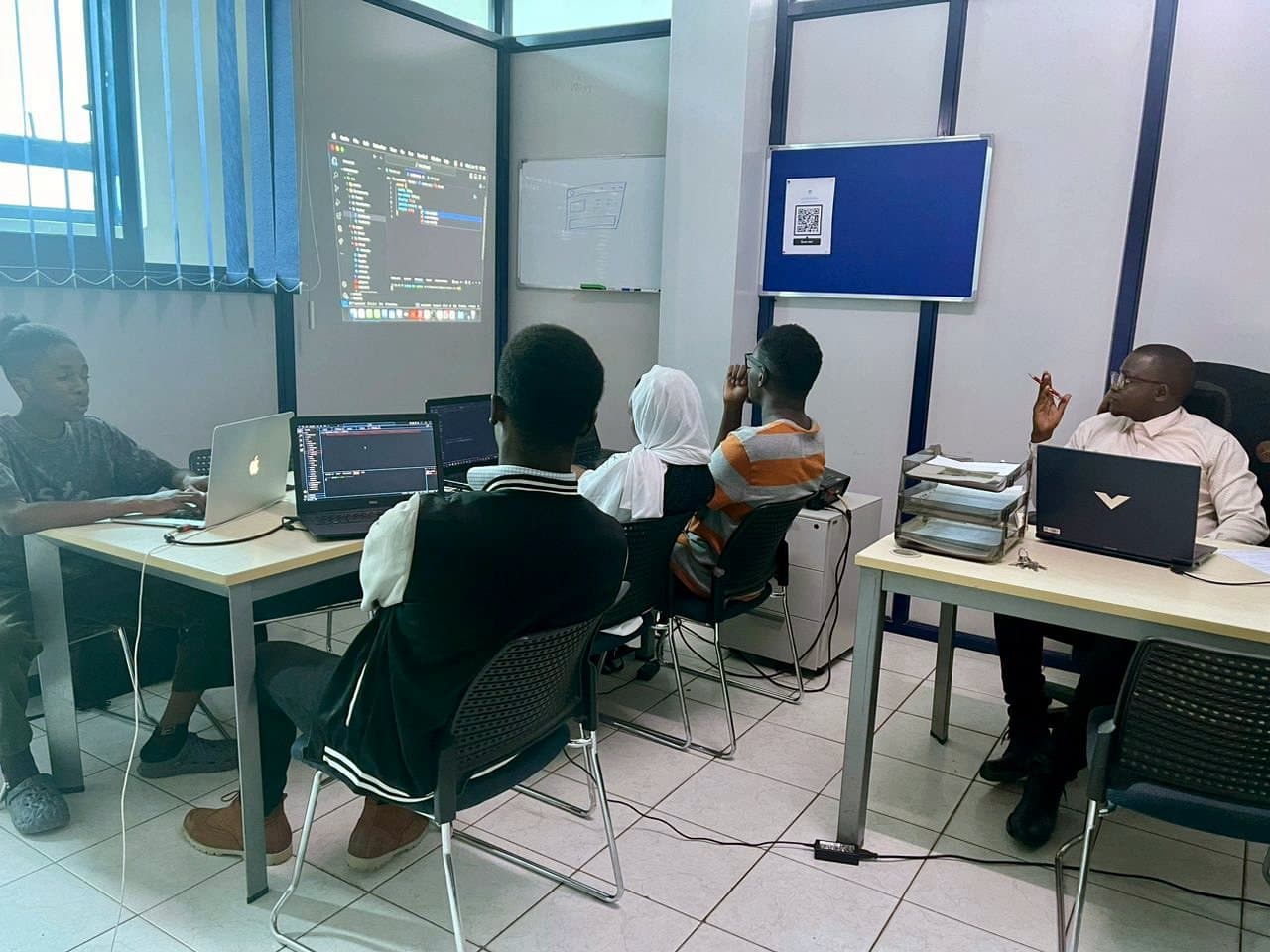
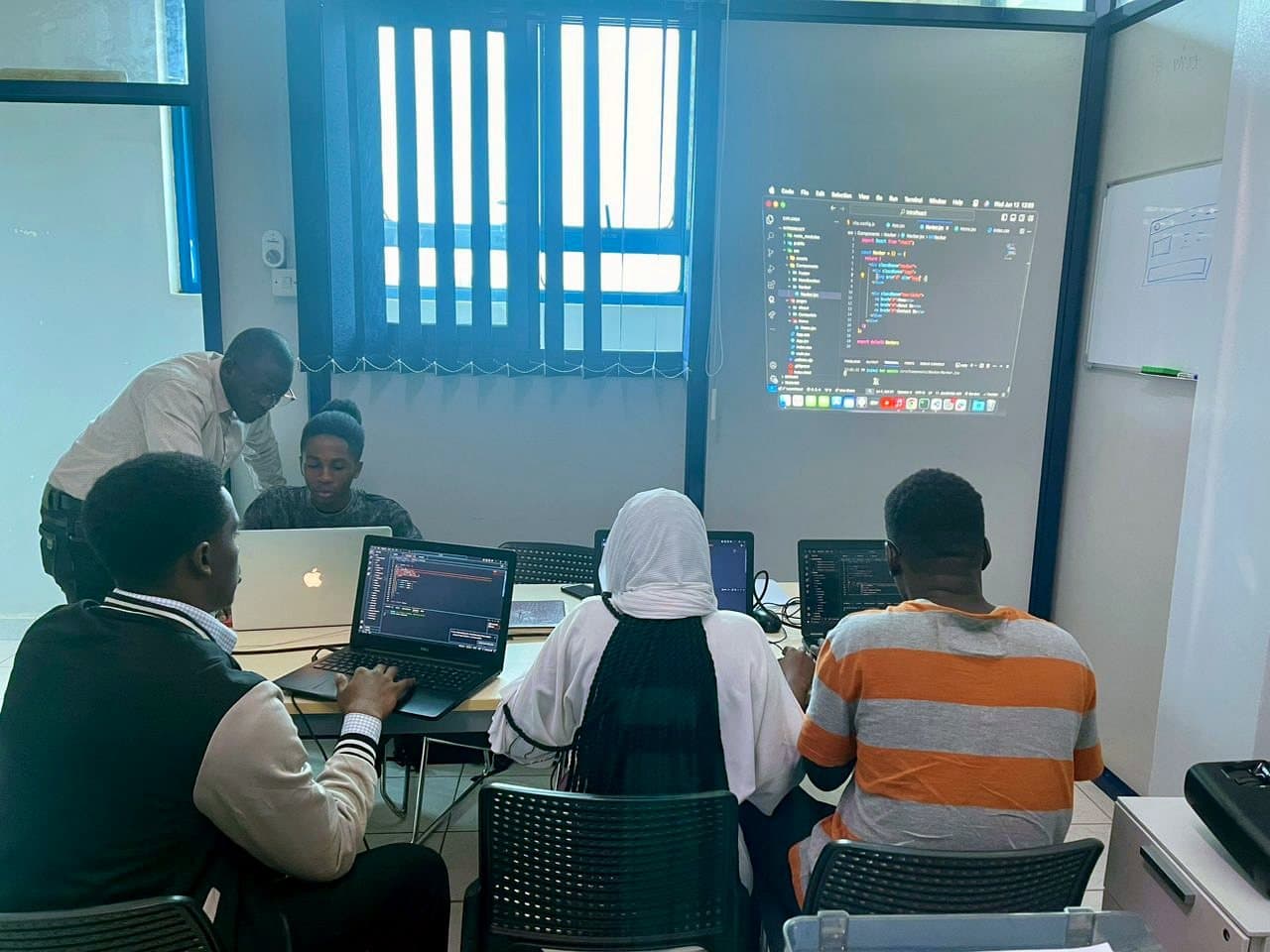
Akili Za Kesho Ventures is an accredited Cisco Networking Academy in Mukono and Kampala. We teach the full CCNA path, with classes on evenings and weekends so you can keep working or studying.
- CCNA 1: Introduction to Networks
- CCNA 2: Switching, Routing and Wireless Essentials
- CCNA 3: Enterprise Networking, Security and Automation
- The full CCNA 1 to 3 track
Learn more about the Cisco Networking Academy at Akili Za Kesho.
Common questions#
Do I need a degree to become a network engineer?#
Some employers ask for a diploma or degree in IT, computer science or engineering. Others care more about certificates and proven skills. Read job adverts to see what each employer wants.
Can I start if I have never studied IT?#
Yes. Cisco says CCNA assumes little or no networking knowledge. You need basic computer skills and the will to practise.
How long does it take?#
Cisco Networking Academy courses for CCNA are about 70 hours each, three courses in total. Many people then spend extra weeks revising before the exam. Getting real job experience takes longer.
Will a certificate guarantee me a job?#
No. A certificate helps you get noticed. Practice, experience, good communication and steady job hunting help you get hired.
Sources#
- Cisco: CCNA certification page (accessed 2026-11-11)
- Cisco: 200-301 CCNA exam page (accessed 2026-11-11)
- WageIndicator (MyWage Uganda): Computer network professionals, 2026 (accessed 2026-11-11)
- BrighterMonday Uganda: IT and Telecoms jobs (accessed 2026-11-11)
- Ministry of ICT and National Guidance: Digital Skilling Powering Uganda's Future (13 Oct 2025) (accessed 2026-11-11)
- Ministry of ICT and National Guidance: Digital Transformation programme (accessed 2026-11-11)